Quick Summary & Key Takeaways
- Insightful Resource: A detailed guide exploring Unveiling The Vibrant Tapestry: The Number Of Churches In The in depth.
- Step-by-Step Walkthrough: Detailed sections covering practical applications and common practices.
- High-Value Content: Curated layouts designed to provide maximum clarity and structured learning.
A Glimpse into the Diverse World of Churches
The United States is often referred to as a melting pot of cultures, and this diversity is beautifully reflected in its robust community of churches. With a wide range of denominations, beliefs, and practices, the number of churches in the US is a testament to the country's rich spiritual heritage. According to recent reports, the landscape of churches in America is more diverse than ever, with new denominations and faith communities emerging to cater to the evolving needs of the population.
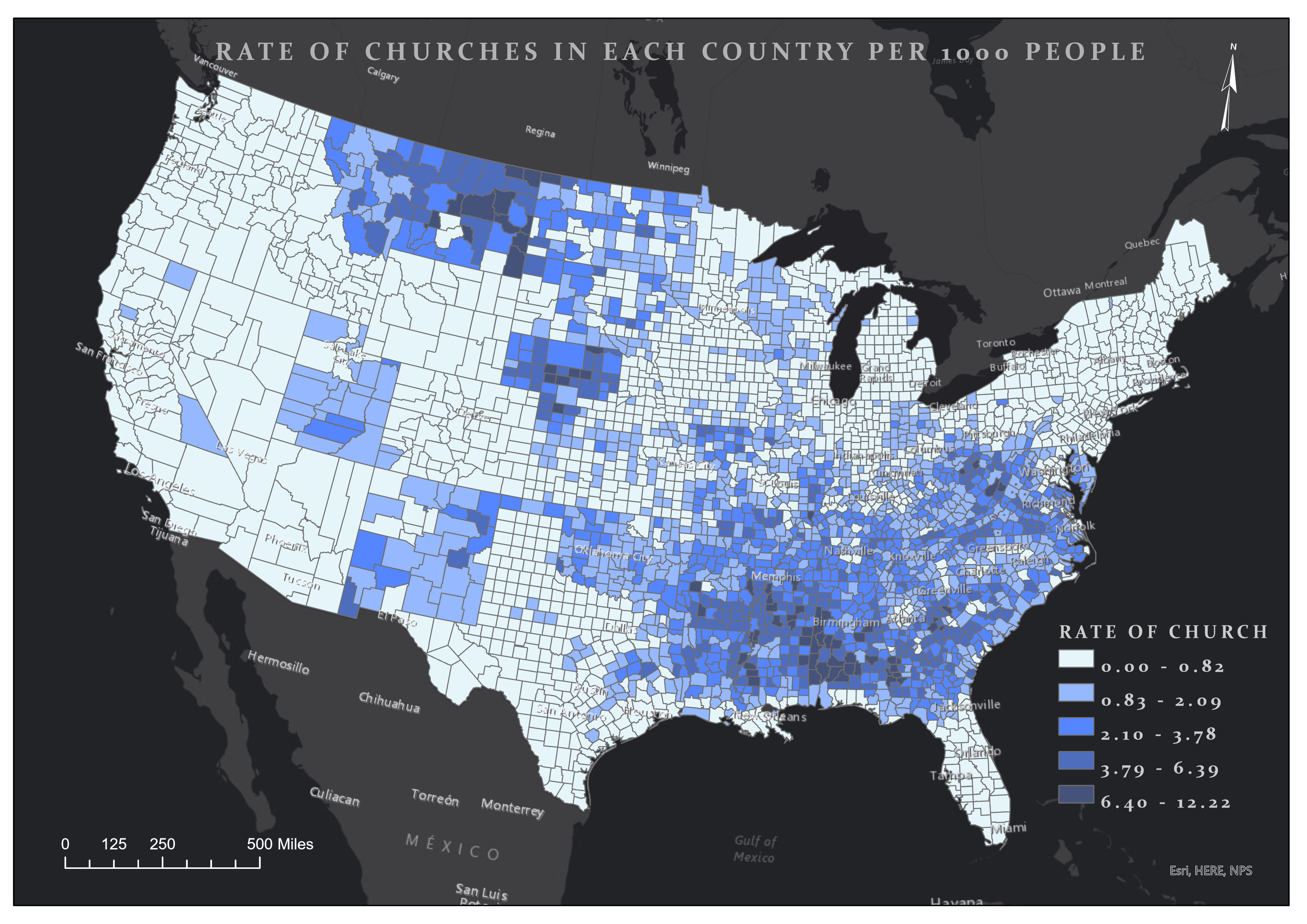
This diversity is not just limited to the types of churches, but also extends to their geographical distribution. From the bustling cities to the quaint rural towns, churches can be found in almost every corner of the country, each with its unique character and role in the community. The number of churches in the US is a reflection of the country's strong religious roots and the importance of faith in American life.
The Role of Churches in American Society
Churches play a vital role in American society, extending far beyond their spiritual functions. They serve as community centers, providing a platform for people to come together, socialize, and support one another. Many churches are also involved in various charitable activities, such as food drives, homeless shelters, and disaster relief efforts, making a significant impact on the lives of those in need.
The number of churches in the US is also a reflection of the country's strong tradition of religious freedom. The Constitution guarantees the right to freedom of religion, allowing people to practice their faith without fear of persecution. This has created a thriving religious landscape, with churches of all denominations and sizes contributing to the rich tapestry of American spiritual life.
The diverse and robust community of churches in the US is not just a testament to the country's religious heritage, but also a reflection of its democratic values. The ability of people to freely practice their faith and establish their own churches has contributed to the country's vibrant cultural landscape, making it a unique and fascinating place to explore.
- •Unleashing The Rhythm: The Rise Of A Salsa Legend Unpacking The Enduring Legacy Of Si La Vuelvo A Encontrar By Tony Vega
- •Unveiling The Timeless Heritage Of Korea: The Rich Legacy Of Joseon Dynasty A Look Back
- •Unleashing The Void: The Oritech Black Hole In Minecraft Unveiling The Cosmos Of Chaos
- •Unveiling The Enigma: The Mysterious Case Of Jeff Keiths Enigmatic Smile Uncovering The Story Behind His Iconic Teeth
- •Meet Alexandra Gibb: The Melodic Heir To Barry Gibb's Musical Legacy
Exploring the Trends and Patterns
Despite the overall diversity, there are certain trends and patterns that emerge when looking at the number of churches in the US. For example, some regions have a higher concentration of churches than others, reflecting the historical and cultural significance of religion in those areas. Similarly, certain denominations have a stronger presence in specific parts of the country, influenced by factors such as immigration patterns and cultural traditions.
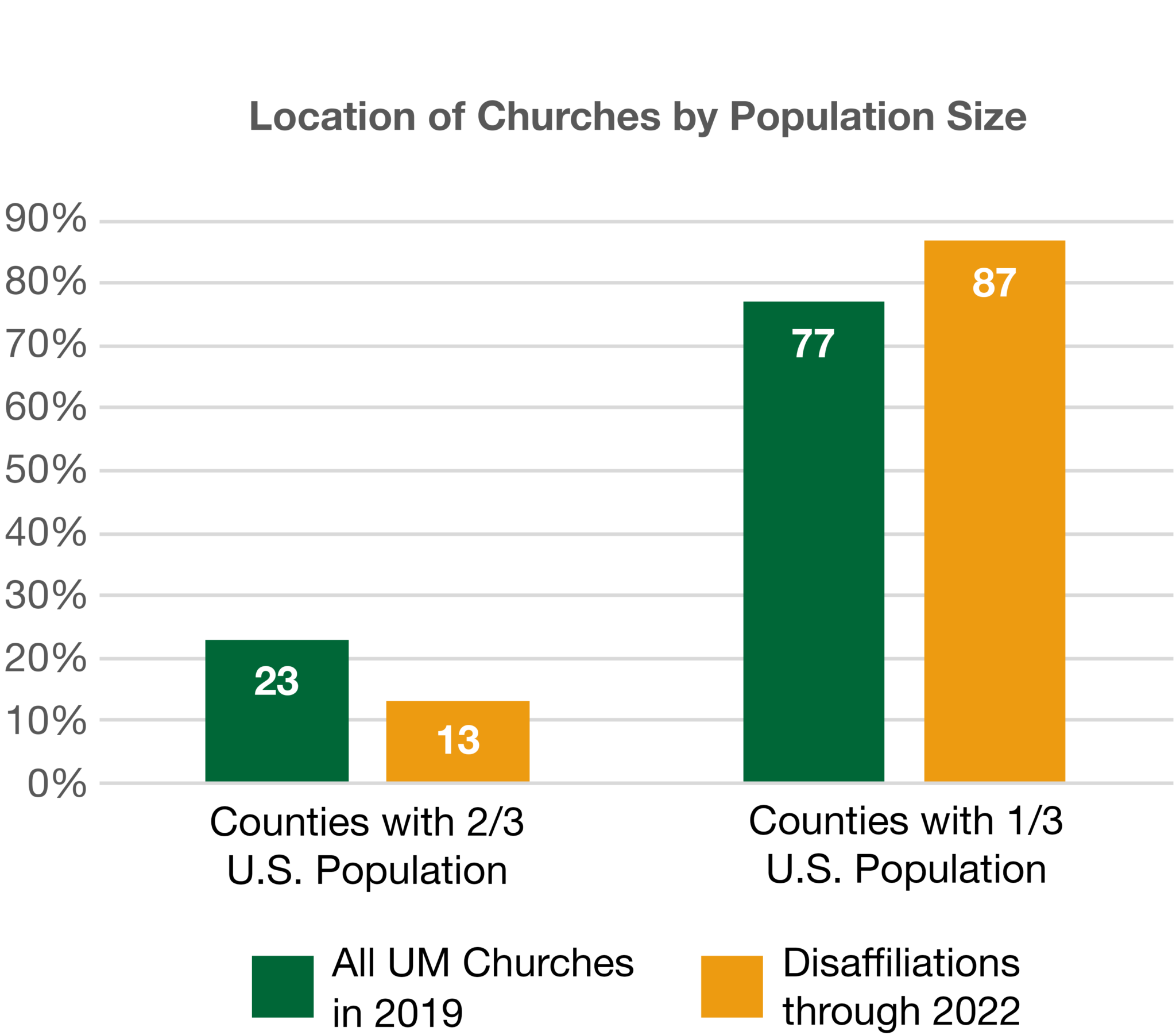
To better understand these trends and patterns, it's essential to look at the data and statistics. The Lewis Center Report on Disaffiliating Churches through 2022 provides valuable insights into the current state of churches in the US, highlighting areas of growth and decline. By analyzing such data, researchers and policymakers can gain a deeper understanding of the complex factors shaping the religious landscape of America.
Visualizing the Distribution of Churches

Visualizing the distribution of churches can be a powerful tool for understanding the complexities of the religious landscape. By using spatial analysis and mapping techniques, researchers can identify patterns and trends that might not be immediately apparent from raw data. This can help inform decisions about church planting, community outreach, and resource allocation, ultimately contributing to the growth and vitality of the church community.
Conclusion: Embracing the Diversity of Churches in the US
In conclusion, the number of churches in the US is a testament to the country's rich spiritual heritage and diverse cultural landscape. The robust community of churches, with its wide range of denominations, beliefs, and practices, is a reflection of the country's strong tradition of religious freedom and democratic values. As we continue to explore and understand the complex patterns and trends shaping the religious landscape of America, we can appreciate the vital role that churches play in American society, from providing spiritual guidance to supporting community development.
The Number Of Churches In The Us A Diverse And Robust Community is a topic that warrants further exploration and discussion, as it holds many valuable lessons for those interested in religion, culture, and community development. By embracing the diversity of churches in the US and celebrating their unique contributions, we can foster a more inclusive and compassionate society, where people of all faiths and backgrounds can come together to build a brighter future.
For more details and authoritative references, refer to the official documentation on Wikipedia.