Quick Summary & Key Takeaways
- Insightful Resource: A detailed guide exploring Aaron Hernandez Autopsy Report Warning Signs You Shouldn’t Ignore in depth.
- Step-by-Step Walkthrough: Detailed sections covering practical applications and common practices.
- High-Value Content: Curated layouts designed to provide maximum clarity and structured learning.
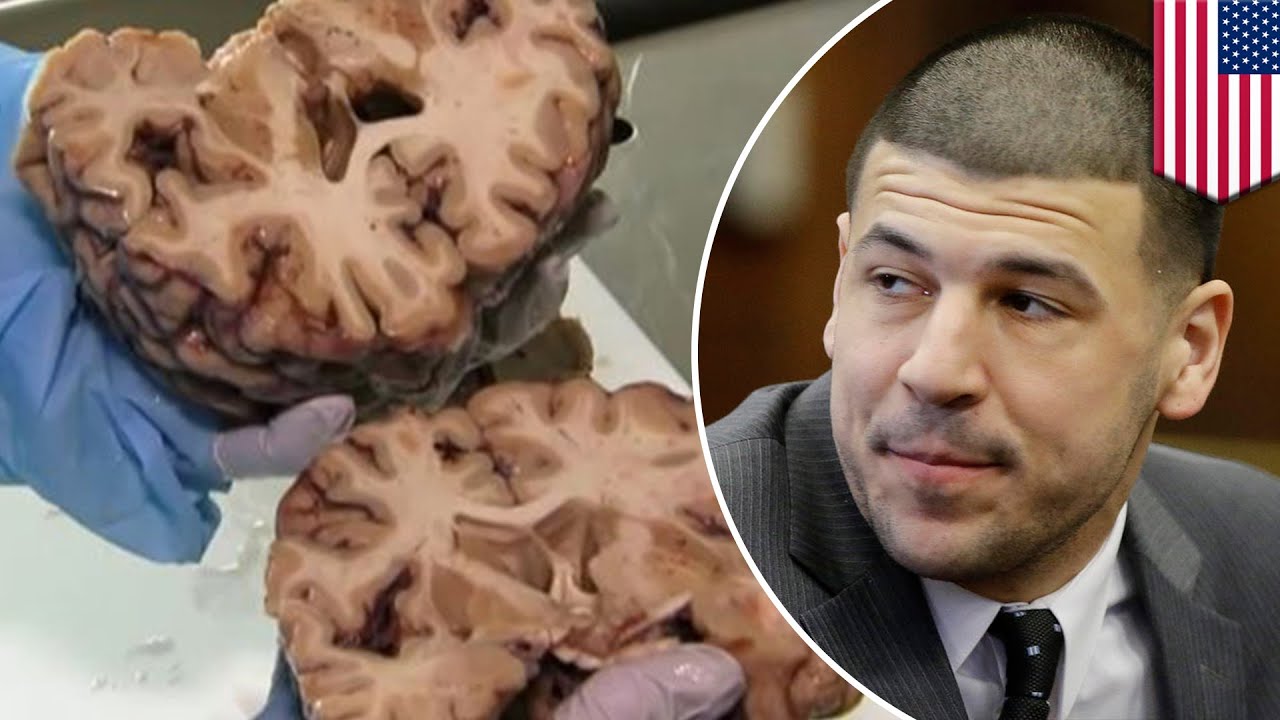
The 2017 autopsy of former NFL star Aaron Hernandez revealed a startling medical reality: he suffered from Stage 3 Chronic Traumatic Encephalopathy (CTE). While CTE can only be definitively diagnosed post-mortem, the findings sparked a national conversation about the long-term neurological impact of repetitive head trauma. Understanding the warning signs associated with severe brain injury is essential for athletes and families alike.
Recognizing the Red Flags
The medical community emphasizes that behavioral and cognitive shifts are often the first indicators of significant neurological decline. In the context of CTE, researchers have identified a specific cluster of symptoms that often manifest long before a diagnosis is possible. Key warning signs include persistent mood swings, sudden bouts of uncontrollable aggression, and severe impulse control issues. These are not merely personality flaws; they are often physiological responses to the degeneration of brain tissue.
- •How Red Blonde Brown Hair Highlights Became The Internet’s Hottest Topic
- •Ridgecrest Ca Police Log Warning Signs You Shouldn’t Ignore
- •Shocking Truth About Somali Telegram Wasmo Just Dropped
- •Who Did King Von Die ” The Hidden Story Nobody Told You Before
- •Gypsy Rose Released Crime Scene Photos Warning Signs You Shouldn’t Ignore
Beyond behavioral changes, look for chronic cognitive "fog." This includes progressive memory loss, difficulty focusing on complex tasks, and profound executive dysfunction. When these symptoms appear in someone with a history of contact sports or repeated concussions, they should not be dismissed as stress or lifestyle choices. Ignoring these signs can lead to worsening mental health, social isolation, and erratic decision-making.
Taking Proactive Steps
If you or a loved one are experiencing these symptoms, early intervention is critical. While there is no cure for CTE, managing brain health through neurology consultations, cognitive therapy, and strict adherence to concussion protocols can mitigate secondary risks. If you notice a drastic change in personality or cognitive ability, seek a professional evaluation from a neurologist specializing in traumatic brain injury. Prioritizing mental health and neurological screening is the most effective way to address these silent, life-altering warning signs.
For more details and authoritative references, refer to the official documentation on Wikipedia.