Quick Summary & Key Takeaways
- Insightful Resource: A detailed guide exploring Uncovering The Fury: Chase Bank Protests Unveiling The Reasons Behind in depth.
- Step-by-Step Walkthrough: Detailed sections covering practical applications and common practices.
- High-Value Content: Curated layouts designed to provide maximum clarity and structured learning.
The Rising Tide of Dissent
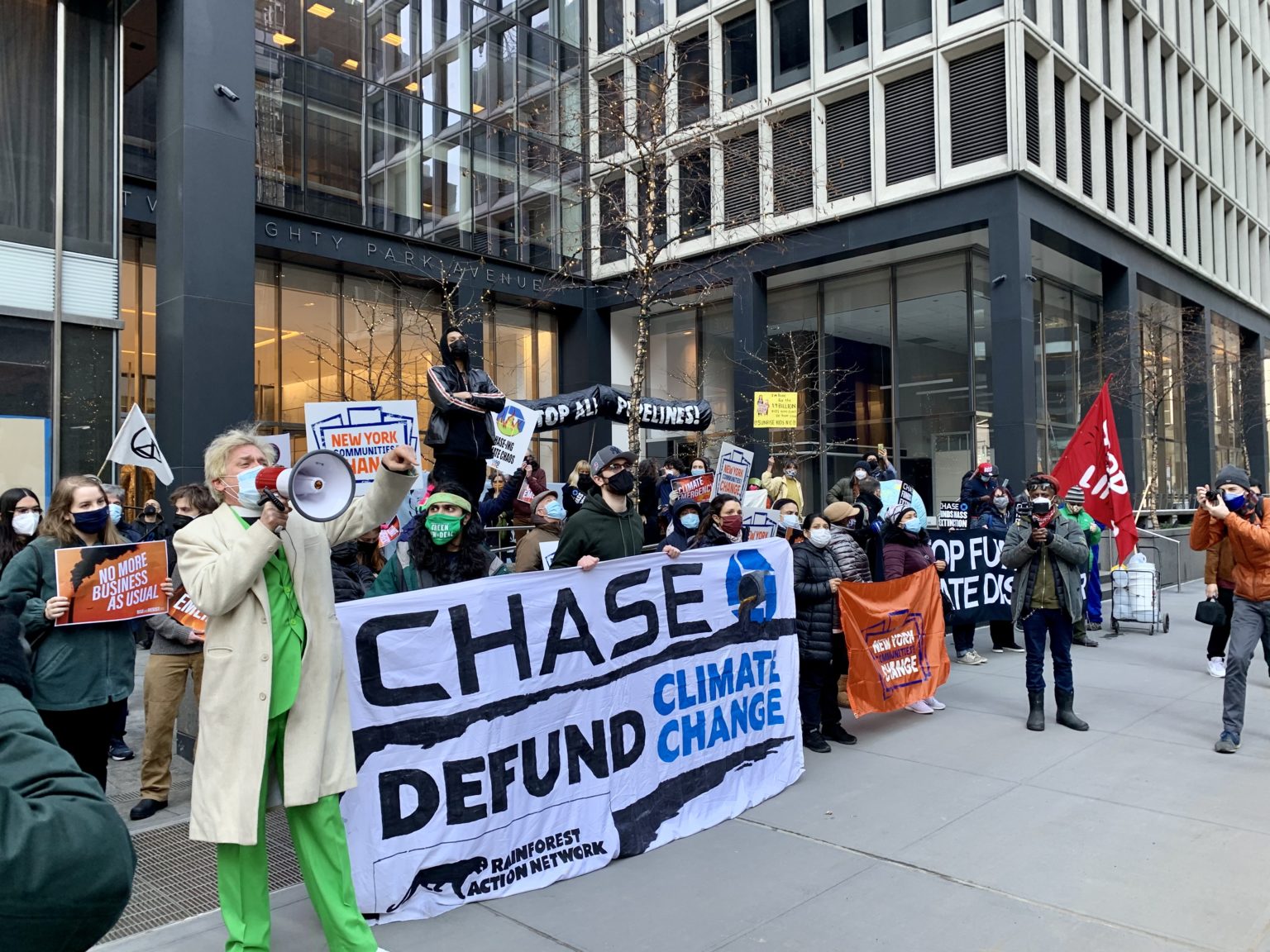
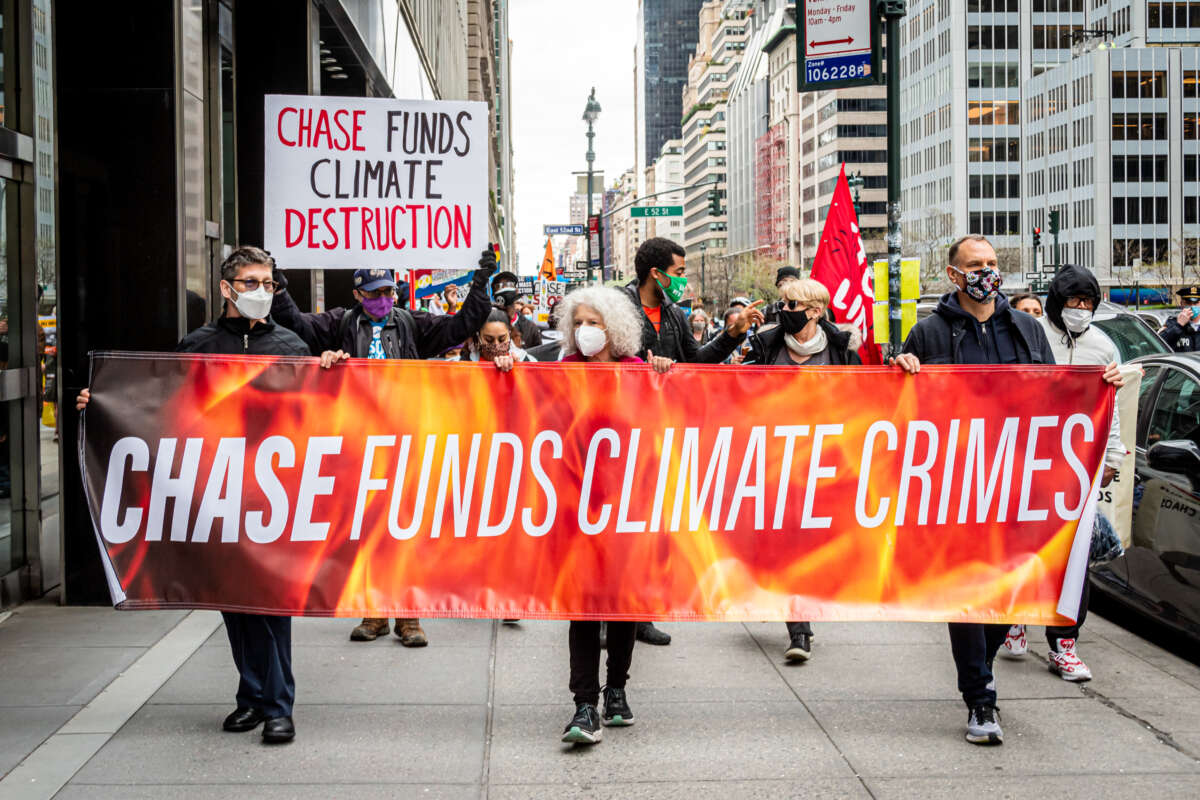
As the world grapples with the challenges of climate change, social injustice, and economic disparity, a new wave of protests has emerged, targeting one of the largest financial institutions in the United States: Chase Bank. The outcry has been building for years, but recent events have brought the issue to a boiling point, with Chase Bank protests unveiling the reasons behind the outrage and shedding light on the deep-seated issues that have been simmering beneath the surface.
The protests are not just a reaction to a single event or policy, but rather a culmination of years of frustration and disillusionment with the bank's practices and priorities. From financing fossil fuel projects to investing in companies with questionable human rights records, Chase Bank has been accused of prioritizing profits over people and the planet. The data is in, and it's clear that Chase, along with other major banks like Citi and MUFG, are hurling us all towards a catastrophic future.
The Financial Giant's Footprint
As one of the largest banks in the world, Chase Bank's actions have far-reaching consequences. With assets totaling over $2 trillion, the bank's investments and financing decisions can make or break industries and economies. However, its commitment to sustainability and social responsibility has been called into question, with many accusing the bank of greenwashing and exploiting loopholes to continue financing environmentally destructive projects.
The numbers are startling: in 2020 alone, Chase Bank provided over $50 billion in financing to fossil fuel companies, despite the bank's pledge to reduce its carbon footprint. The contradiction between the bank's words and actions has sparked widespread criticism and condemnation, with many calling for a boycott of the bank and its services. The Chase Bank protests are a manifestation of this growing discontent, as people demand that the bank takes concrete steps to address the deep-seated issues and align its practices with its rhetoric.
The Human Cost of Chase Bank's Actions
Beyond the environmental impact, Chase Bank's actions have also been linked to human rights abuses and social injustices. From financing companies involved in deforestation and land grabs to investing in industries that perpetuate inequality and exploitation, the bank's priorities have been accused of being morally bankrupt. The human cost of these actions is staggering, with communities displaced, lives lost, and futures destroyed.
- •Uncovering The Truth: Canopy Growth Stock Latest Updates Analysis You Need To Know
- •Isaimini 2023: Unveiling The Ultimate Destination For Tamil Movie Enthusiasts
- •Unveiling The Truth: A Deep Dive Into Galveston's Police Activity And Community Engagement
- •Unveiling The Astounding Rise Of Charleston White: A Net Worth Of $180 Million In 2025
- •Uncover The Excitement: Carabao Cup Draw Everything You Need To Know
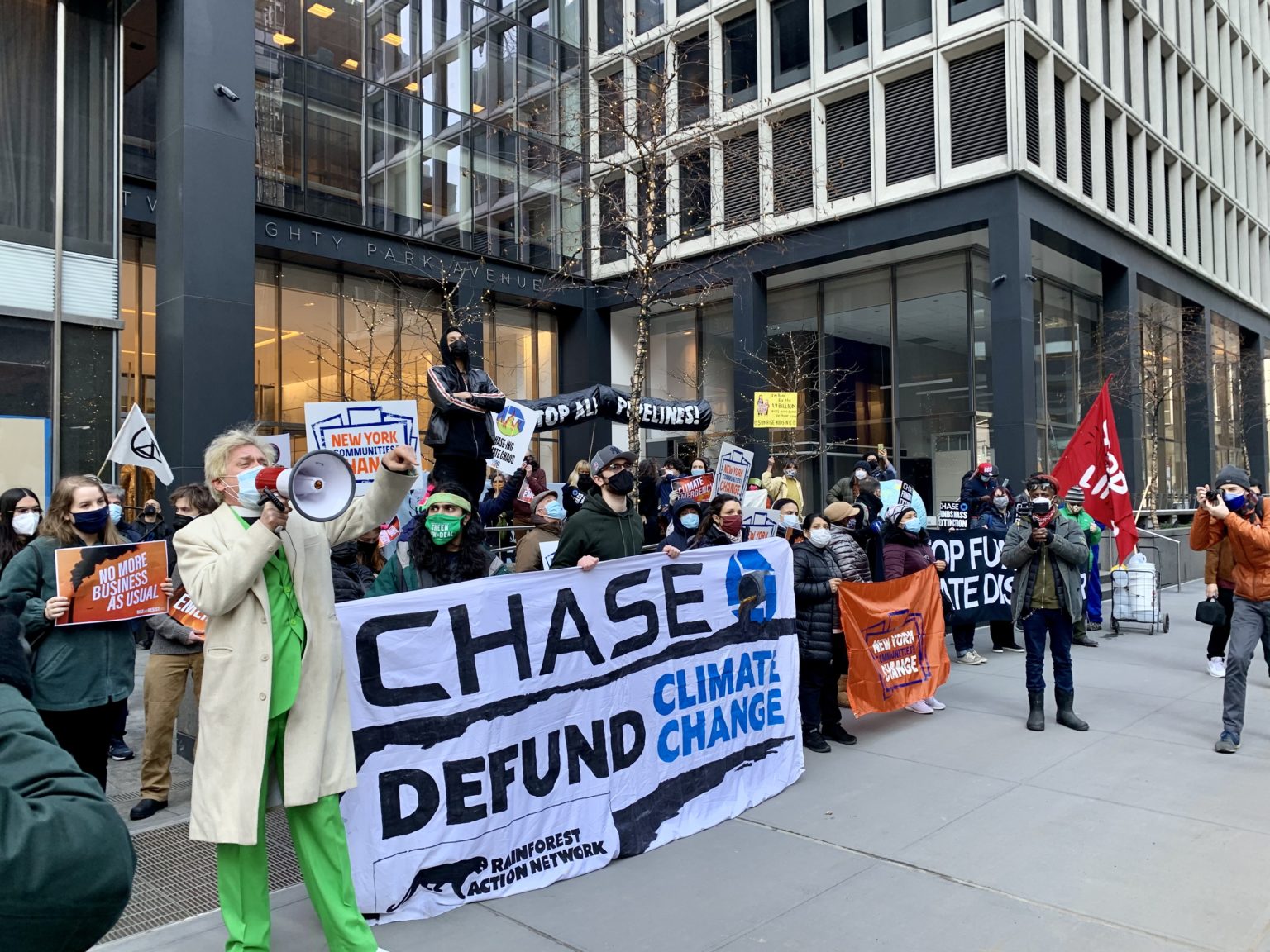
The Chase Bank protests are not just about holding the bank accountable for its actions; they are also about demanding a better future for all. As the world grapples with the challenges of the 21st century, it is clear that business as usual is no longer an option. The outcry and protests surrounding Chase Bank are a call to action, a reminder that the time for change is now, and that the deep-seated issues must be addressed if we are to create a more just and sustainable world.
A Path Forward
So, what can be done to address the deep-seated issues and bring about meaningful change? Firstly, Chase Bank must take concrete steps to align its practices with its rhetoric, prioritizing sustainability and social responsibility over profits. This includes withdrawing financing from fossil fuel projects, investing in renewable energy, and implementing robust human rights policies.
Secondly, regulatory bodies and governments must hold the bank accountable for its actions, implementing stricter regulations and enforcing existing laws to prevent environmental and social harms. Finally, individuals and communities must continue to demand change, using their voices, actions, and financial power to push for a better future. The Chase Bank protests are just the beginning, a catalyst for a broader movement that seeks to create a more just and sustainable world.
Conclusion: The Power of Collective Action
The Chase Bank protests are a testament to the power of collective action, a reminder that when people come together to demand change, they can achieve remarkable things. As the world continues to grapple with the challenges of the 21st century, it is clear that the status quo is no longer acceptable. The outcry and protests surrounding Chase Bank are a call to action, a reminder that the time for change is now, and that together, we can create a more just and sustainable world.
By understanding the deep-seated issues behind the protests and demanding meaningful change, we can unleash a new wave of progress and innovation, one that prioritizes people and the planet over profits. The future is uncertain, but one thing is clear: the Chase Bank protests are just the beginning, and the fight for a better world has only just begun. Chase Bank protests unveiling the reasons behind the outcry and understanding the deep-seated issues are crucial in creating a more sustainable future.
For more details and authoritative references, refer to the official documentation on Wikipedia.