Quick Summary & Key Takeaways
- Insightful Resource: A detailed guide exploring Unlocking The Future Of Sustainability: Carbon Credit Prices In India in depth.
- Step-by-Step Walkthrough: Detailed sections covering practical applications and common practices.
- High-Value Content: Curated layouts designed to provide maximum clarity and structured learning.
The Emerging Landscape of Carbon Credits
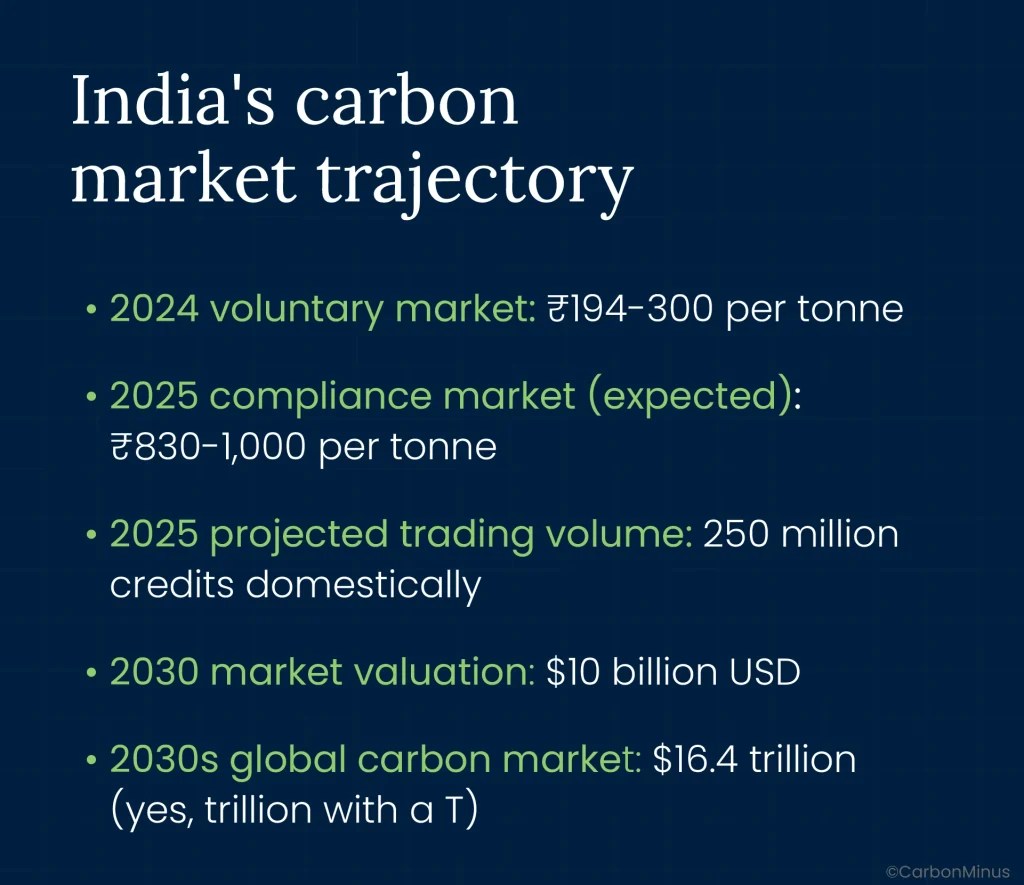
As the world grapples with the challenges of climate change, the concept of carbon credits has gained significant traction. In India, the carbon credit market is poised for a substantial boom, with carbon pricing set to play a crucial role in the country's sustainability endeavors. With the government's increasing focus on reducing carbon emissions, carbon credit prices in India are expected to fluctuate significantly in 2025.
The Indian government's initiatives to promote renewable energy sources and reduce dependence on fossil fuels have created a fertile ground for the growth of the carbon credit market. As a result, stakeholders are eagerly awaiting the developments that 2025 will bring, particularly in terms of carbon credit prices in India. The market is expected to witness a surge in demand for carbon credits, driven by the increasing adoption of sustainable practices among Indian businesses.

Factors Influencing Carbon Credit Prices in India
Several factors will contribute to the fluctuation of carbon credit prices in India in 2025. One of the primary drivers will be the government's policies and regulations aimed at reducing carbon emissions. The implementation of the carbon credit trading scheme is expected to play a crucial role in determining the prices of carbon credits in the country.
Additionally, the demand for carbon credits from Indian businesses will also impact the prices. As more companies adopt sustainable practices and invest in renewable energy sources, the demand for carbon credits is likely to increase, driving up prices. Furthermore, international market trends and the prices of carbon credits in other countries will also influence the prices in India.
In 2025, the prices of carbon credits in India are expected to be volatile, with significant fluctuations throughout the year. However, experts predict that the overall trend will be upward, driven by the increasing demand for sustainable practices and the government's initiatives to promote the use of renewable energy sources.
What to Expect from Carbon Credit Prices in India in 2025
As the Indian carbon credit market continues to evolve, stakeholders can expect significant developments in 2025. The government is likely to announce new policies and regulations aimed at promoting the use of renewable energy sources and reducing carbon emissions. These initiatives will contribute to the growth of the carbon credit market, driving up demand and prices.
- •Revolutionize Your Gameplay: The Best Minecraft Bedrock Industrial Mods
- •Borsa Istanbul Unveiled: Navigating The Intricacies Of Turkey's Stock Market
- •Breaking Kurt Russell Hospitalized: What Happened After His Sudden Illness? The Full Health Update
- •Buffalo News Landscape In Turmoil: Unpacking The Channel 4 Shakeup
- •Cole Miller's Shocking Departure: Unpacking The Details Of His Exit From 10/11 News
In addition to government initiatives, the increasing adoption of sustainable practices among Indian businesses will also drive the demand for carbon credits. As companies invest in renewable energy sources and reduce their dependence on fossil fuels, the demand for carbon credits will increase, leading to higher prices.
Opportunities and Challenges in the Indian Carbon Credit Market
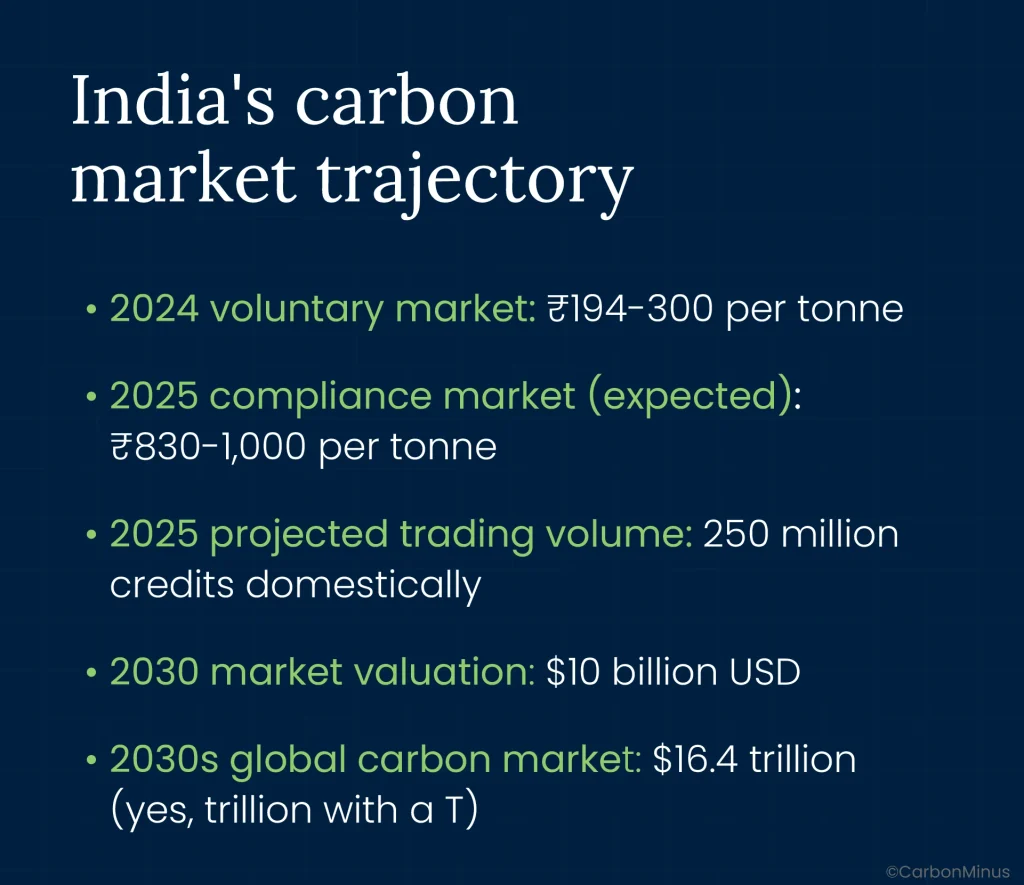
The growth of the carbon credit market in India presents significant opportunities for stakeholders. Companies that invest in renewable energy sources and adopt sustainable practices can benefit from the increasing demand for carbon credits, generating revenue by selling their excess credits.
However, the market also poses challenges, particularly for companies that are new to the concept of carbon credits. The complex regulatory framework and the need for expertise in sustainability and renewable energy can create barriers to entry. Additionally, the volatility of carbon credit prices can make it difficult for companies to predict their revenue and plan their sustainability strategies.
Despite these challenges, the opportunities presented by the Indian carbon credit market make it an attractive space for stakeholders. As the market continues to evolve, companies that adopt sustainable practices and invest in renewable energy sources can benefit from the growing demand for carbon credits, contributing to a more sustainable future for India.
Conclusion: Navigating the Future of Carbon Credit Prices in India
In conclusion, the carbon credit market in India is poised for significant growth in 2025, driven by government initiatives and increasing demand for sustainable practices. As stakeholders navigate this evolving landscape, it is essential to stay informed about the factors influencing carbon credit prices and the opportunities and challenges presented by the market.
By understanding the trends and developments in the Indian carbon credit market, companies can make informed decisions about their sustainability strategies and investments in renewable energy sources. As the country continues to promote the use of carbon credits, the market is likely to experience significant fluctuations, making it crucial for stakeholders to stay ahead of the curve and navigate the opportunities and challenges that lie ahead.
For more details and authoritative references, refer to the official documentation on Wikipedia.