Quick Summary & Key Takeaways
- Insightful Resource: A detailed guide exploring Home Depot Facility Closures: Uncovering The Facts Behind The Shutdowns in depth.
- Step-by-Step Walkthrough: Detailed sections covering practical applications and common practices.
- High-Value Content: Curated layouts designed to provide maximum clarity and structured learning.
Understanding the Home Depot Facility Closures Phenomenon
Recent news has sent shockwaves through the retail and home improvement sectors with the announcement of Home Depot facility closures across various locations. As one of the largest home improvement retailers in the United States, the shutdown of its facilities has raised numerous questions among consumers, investors, and industry analysts alike. The primary concern on everyone's mind is: what does this mean for the future of Home Depot and the broader implications on the market? To get to the bottom of this, it's essential to understand the context and reasons behind these closures, encapsulated in the query "Home Depot Facility Closures What You Need To Know."
The closure of facilities by Home Depot is a strategic move, part of the company's efforts to optimize its operations and navigate the challenges of the current retail landscape. With the rise of e-commerce and changing consumer behaviors, brick-and-mortar stores are under increasing pressure to adapt. Home Depot, like many other retailers, is reevaluating its physical presence to ensure it aligns with the demands of the digital age. This process involves consolidating operations, closing underperforming locations, and investing in digital transformation to enhance customer experience and operational efficiency.

Delving into the Reasons Behind the Closures
Behind the decision to close facilities lies a complex interplay of factors, including financial performance, market trends, and operational efficiency. Home Depot, in its pursuit to maintain a competitive edge, is streamlining its operations to focus on high-performing stores and strategic locations. This strategy is reflective of the broader retail trend where companies are shifting towards a more agile and responsive business model. By shedding underperforming assets, Home Depot aims to redirect resources towards areas that offer higher growth potential and better alignment with its long-term vision.
Furthermore, the closures are also a response to the evolving needs of consumers, who are increasingly expecting a seamless shopping experience across online and offline channels. Home Depot's facility closures are part of a larger strategy to enhance its omnichannel capabilities, ensuring that customers can easily navigate between its physical stores and digital platforms. This integration is crucial for providing a consistent and satisfying customer experience, which is paramount in today's highly competitive market.
Implications and the Way Forward for Home Depot
The implications of Home Depot facility closures extend beyond the company itself, affecting employees, suppliers, and the local communities where these facilities are located. While the closures may lead to job losses in the short term, they are also part of a necessary restructuring process aimed at ensuring the long-term sustainability and competitiveness of Home Depot. The company has expressed its commitment to supporting affected employees through this transition, highlighting its dedication to its workforce despite the challenging decisions it must make.
- •Hurricane Hugo's Devastating Path: Uncovering The Fury That Slammed Puerto Rico In 1989
- •Unlock The Secrets Of Greek Television: Ii Alpha Tv Greece Your Ultimate Guide
- •Unleashing The Legends: Goats Of Soccer The Ultimate Ranking Of The All Time Best Players
- •Ios 16 Beta: Uncovering The Top 10 Bugs And Issues You Need To Know About And How To Fix Them
- •Gifting You Financial Freedom: How Giftcash Revolutionizes Earning Money And Getting Gift Cards
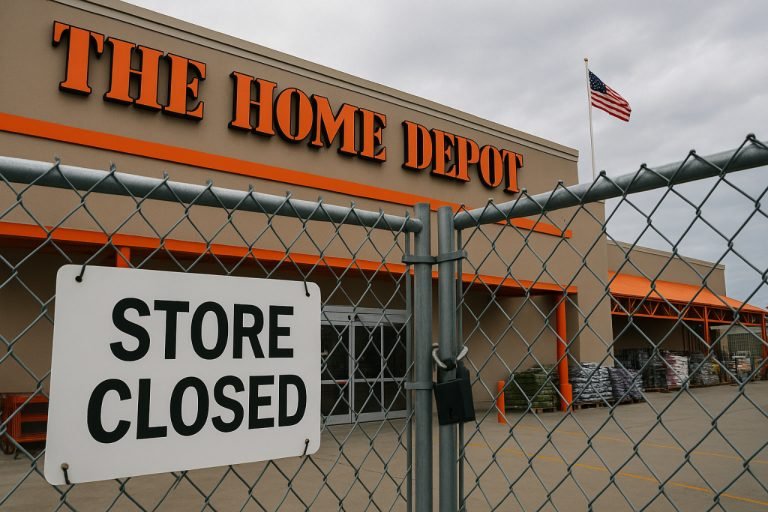
As the home improvement sector continues to evolve, Home Depot's ability to adapt and innovate will be crucial. The company's focus on digital transformation, customer experience, and operational efficiency positions it well to address the challenges and opportunities arising from these changes. By understanding the rationale behind "Home Depot Facility Closures What You Need To Know," stakeholders can better appreciate the strategic underpinnings of these moves and their potential to drive future growth and success for the company.
Navigating the Future of Home Improvement Retail
The story of Home Depot's facility closures serves as a microcosm for the larger trends at play in the retail and home improvement sectors. As consumers become increasingly discerning and technology continues to reshape the shopping experience, companies must be agile and proactive in their responses. Home Depot, through its strategic decisions, is attempting to carve out a sustainable path forward, one that balances the need for physical retail presence with the demands of a digital-first marketplace.
For those seeking to understand the intricacies of "Home Depot Facility Closures What You Need To Know," it's clear that these closures represent more than just a reaction to current market conditions; they symbolize a forward-looking approach aimed at securing the company's relevance and competitiveness in the years to come. As the retail landscape continues to shift, one thing is certain: the ability to evolve and innovate will be key to success, not just for Home Depot, but for the entire home improvement industry.
Conclusion: Looking Ahead
In conclusion, the closure of Home Depot facilities is a multifaceted issue, influenced by a variety of strategic, financial, and market-driven factors. As the company moves forward, its emphasis on transformation, customer satisfaction, and operational excellence will be pivotal. For consumers and stakeholders alike, staying informed about these developments and understanding the context of "Home Depot Facility Closures What You Need To Know" is essential. It not only provides insight into the company's future direction but also offers a glimpse into the broader future of retail and home improvement, where adaptability, innovation, and customer-centricity will reign supreme.
Additional context and verified research data can be verified on Wikipedia's Public Archives.


