Quick Summary & Key Takeaways
- Insightful Resource: A detailed guide exploring Active Caddo Warning Signs You Shouldn’t Ignore in depth.
- Step-by-Step Walkthrough: Detailed sections covering practical applications and common practices.
- High-Value Content: Curated layouts designed to provide maximum clarity and structured learning.
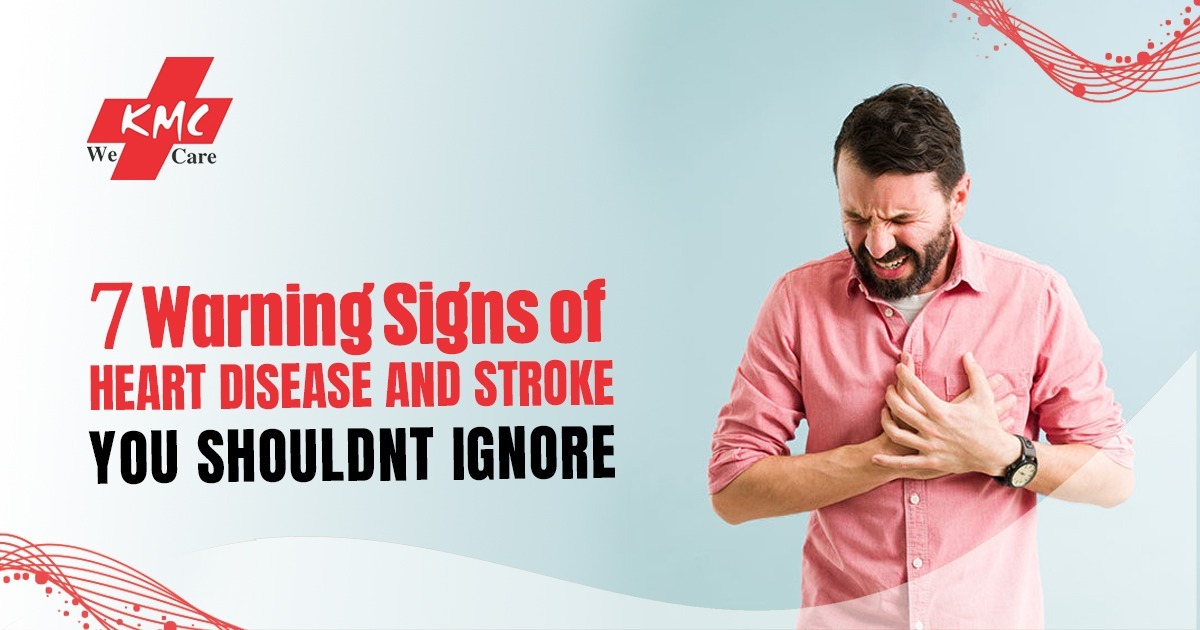
When it comes to cardiovascular health, your body often sends subtle signals long before a major event occurs. While many people associate heart issues only with sudden chest pain, the reality is that the warning signs can be far more nuanced. Recognizing these "silent" indicators is essential for early intervention and long-term heart health.
Recognizing the Red Flags
One of the most overlooked symptoms is persistent fatigue that doesn’t resolve with rest. If you find yourself winded after routine activities like climbing a flight of stairs—tasks that used to be effortless—it may indicate that your heart is struggling to pump blood efficiently. Similarly, do not dismiss unexplained discomfort in the upper body. Pain, pressure, or a strange tingling sensation in your jaw, neck, back, or shoulders can be an atypical presentation of restricted blood flow.
- •Why Everyone Is Talking About Freddie Klein Actor Photo Right Now
- •Crown Point Gun And Knife Show Explained: What They Don’t Want You To Know
- •Women Reporters On Cnn Trends In 2025 That You Can’t Afford To Miss
- •How Cape May County Inmate List Became The Internet’s Hottest Topic
- •How Cuddie Funeral Home Thorp Wi Became The Internet’s Hottest Topic
Another critical sign is recurring dizziness or lightheadedness. This often suggests that your cardiovascular system is failing to maintain steady blood pressure, which can be a precursor to arrhythmias or other structural issues. Furthermore, pay attention to swelling in your legs, ankles, or feet. Fluid retention, known as edema, is a classic sign that your heart is not pumping as effectively as it should, causing blood to back up in the veins.
Taking Action
If you notice these symptoms, do not assume they are merely signs of aging or stress. Early detection is the most powerful tool in preventing heart disease. Schedule an appointment with a cardiologist to discuss your concerns. A simple screening, such as an EKG or a blood pressure check, can provide the clarity you need to protect your heart. Listen to what your body is telling you—your proactive approach today could save your life tomorrow.
Additional context and verified research data can be verified on Wikipedia's Public Archives.