Quick Summary & Key Takeaways
- Insightful Resource: A detailed guide exploring 2017 Civic Si Turbo Issues A Deep Dive Exposed: Uncovering in depth.
- Step-by-Step Walkthrough: Detailed sections covering practical applications and common practices.
- High-Value Content: Curated layouts designed to provide maximum clarity and structured learning.
The Turbo Trouble: A Growing Concern for 2017 Civic Si Owners
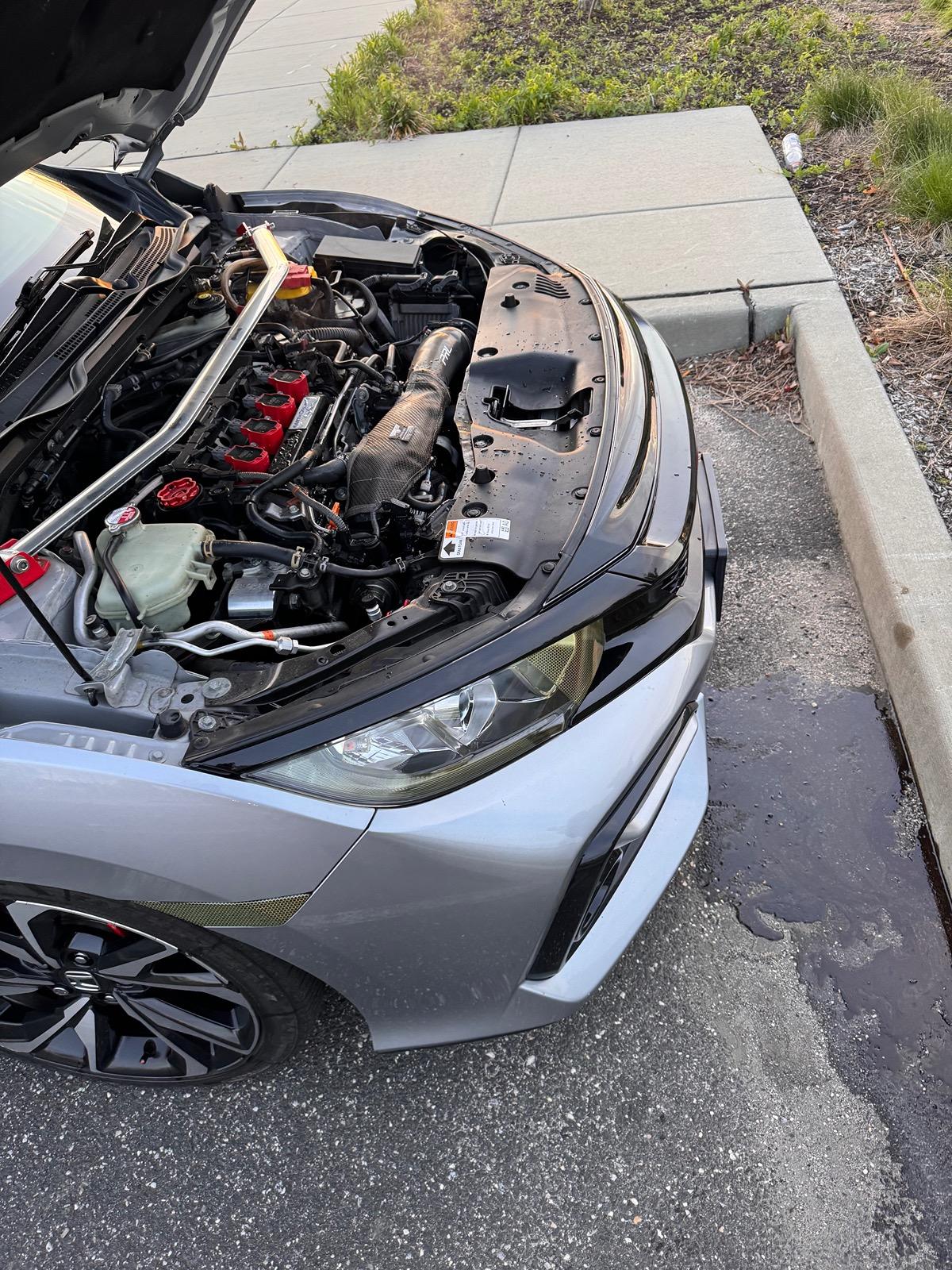
The 2017 Honda Civic Si, with its turbocharged engine, was supposed to be a game-changer for performance enthusiasts. However, as the years have passed, a growing number of owners have reported issues with the turbo system, leaving many wondering if they've made a mistake by investing in this high-performance variant. A deep dive into the problems plaguing the 2017 Civic Si turbo reveals a complex web of causes, symptoms, and potential solutions.
At the heart of the issue is the turbocharger itself, which has been known to fail prematurely, causing a significant drop in power and performance. In some cases, the failure can be catastrophic, resulting in costly repairs and even rendering the vehicle undrivable. The causes of these failures are multifaceted, ranging from manufacturing defects to improper maintenance and driving habits.
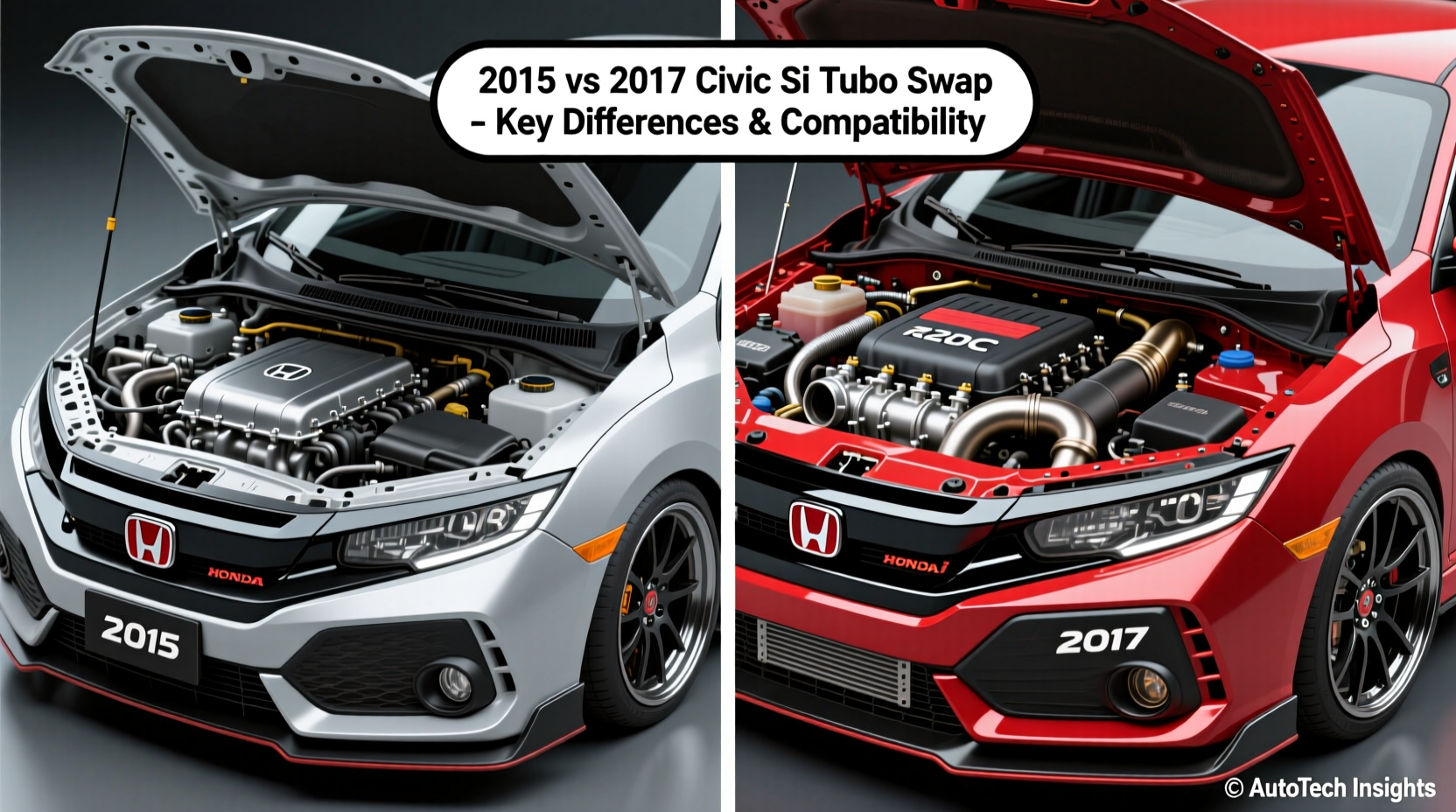
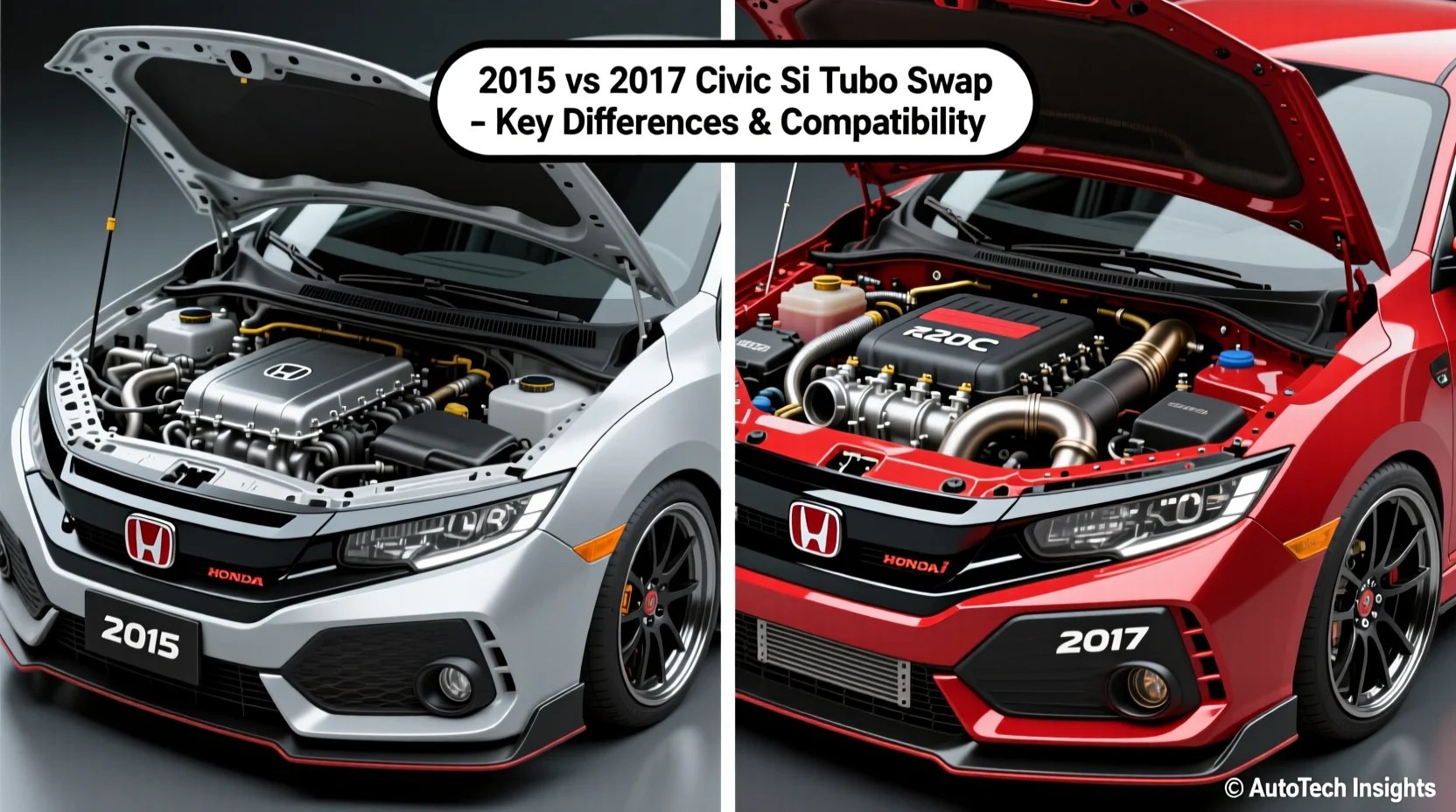
Key Differences and Compatibility: A Look at the 2015 vs 2017 Civic Si Turbo Swap
For those looking to address the turbo issues in their 2017 Civic Si, one potential solution is to swap out the faulty system for a newer or different model. However, this approach is not without its challenges, particularly when it comes to compatibility. The 2015 Civic Si turbo system, for example, has been cited as a possible alternative, but owners must carefully consider the key differences and potential risks involved in such a swap.
One of the primary concerns is the compatibility of the turbo system with the vehicle's engine and other components. Improper installation or incompatible parts can exacerbate the problem, leading to further damage and potentially even safety hazards. Moreover, the cost of such a swap can be prohibitively expensive, especially for those who are not experienced with DIY repairs or modifications.
Turbo Failure: A Case Study of the Vargas GC+ Turbo
A recent case study involving the Vargas GC+ turbo failure on a 2016+ Honda Civic Forum highlights the complexities and uncertainties surrounding these issues. The forum discussion, which spanned multiple pages, reveals a sense of frustration and urgency among owners who are desperate for solutions to their turbo problems. The Vargas GC+ turbo, in particular, has been cited as a potentially problematic component, with some owners reporting failures and poor performance.
A Deep Dive Exposed: Uncovering the Root Causes of 2017 Civic Si Turbo Issues
So, what are the root causes of the 2017 Civic Si turbo issues? A deep dive into the data and owner experiences reveals a complex interplay of factors, including manufacturing defects, design flaws, and owner error. In some cases, the problems can be attributed to a lack of proper maintenance or servicing, which can cause the turbo system to degrade over time.
- •1994 Honda Civic LX: Troubleshooting Common Issues For A Smooth Ride
- •Unlocking The Mystery: Alex Wagner Divorced Truth Rumors And Profession Has Sight
- •Unveiling The Hidden Patterns: Axiomas En Matematicas La Razon Tras La Logica Y La Fondacion De Todo
- •Unlock The Secrets Of Traveling From Amsterdam To The Hague In Record Time
- •Amy Roloff And Chris Marek: Navigating Life's Twists And Turns Together
However, even with proper care and attention, some 2017 Civic Si owners have reported issues with their turbo systems, suggesting that there may be a deeper, more fundamental problem at play. As the community continues to grapple with these issues, it is clear that a comprehensive solution will require a multifaceted approach, involving both owners and manufacturers.
Conclusion: Navigating the Complex World of 2017 Civic Si Turbo Issues
In conclusion, the 2017 Civic Si turbo issues are a complex and multifaceted problem, requiring a deep understanding of the underlying causes and potential solutions. For owners who are struggling with these issues, it is essential to approach the problem with a clear and level head, considering all available options and seeking guidance from experienced professionals and community experts. By working together and sharing knowledge, the 2017 Civic Si community can hope to overcome these challenges and unlock the full potential of their vehicles.
As we continue to explore the world of 2017 Civic Si turbo issues, one thing is clear: a deep dive into the data, owner experiences, and potential solutions is essential for anyone looking to navigate this complex and often frustrating landscape. Whether you're a seasoned owner or a newcomer to the 2017 Civic Si community, it's time to take a closer look at the turbo issues that are affecting so many vehicles – and to seek out the knowledge and expertise needed to overcome them.
The Future of 2017 Civic Si Turbo Performance: Lessons Learned and Best Practices
As the 2017 Civic Si community looks to the future, it's clear that there are many lessons to be learned from the turbo issues that have plagued so many owners. By sharing knowledge, experiences, and best practices, owners can work together to mitigate the risks associated with turbo failure and to optimize the performance of their vehicles. Whether through preventative maintenance, DIY repairs, or professional servicing, the key to unlocking the full potential of the 2017 Civic Si lies in a deep understanding of the complex systems and components that drive its performance.
For those who are new to the 2017 Civic Si community, the journey ahead may seem daunting – but with the right guidance, support, and knowledge, it's possible to navigate even the most complex challenges and to achieve exceptional results. As we move forward, it's essential to prioritize transparency, accountability, and collaboration, working together to create a more informed, empowered, and connected community of 2017 Civic Si owners and enthusiasts.
To explore further academic studies and guidelines, refer to search results on Official Academic & Government Portals.