Quick Summary & Key Takeaways
- Insightful Resource: A detailed guide exploring Exploring The Essence Of Lyrics Rosa Parks Outkast in depth.
- Step-by-Step Walkthrough: Detailed sections covering practical applications and common practices.
- High-Value Content: Curated layouts designed to provide maximum clarity and structured learning.
The Cultural Impact of Outkast’s "Rosa Parks"
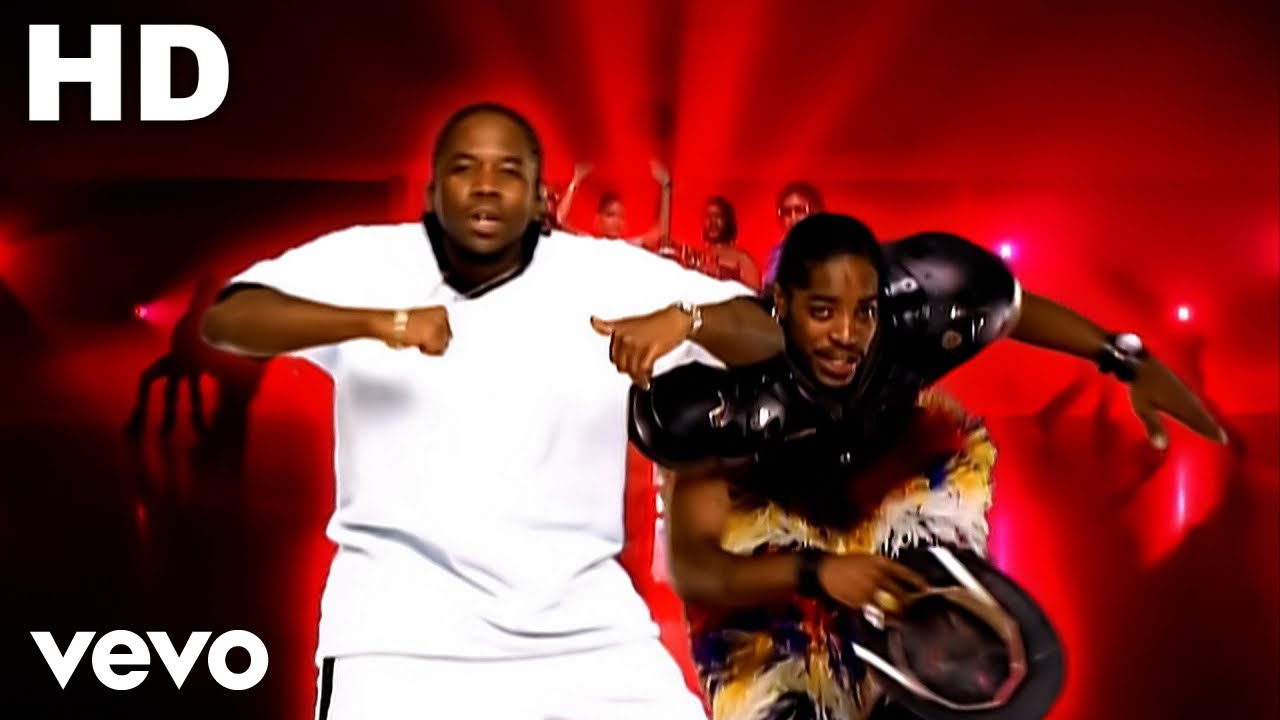
When Outkast released "Rosa Parks" in 1998 as part of their seminal album Aquemini, they weren't just dropping a catchy hip-hop track; they were bridging the gap between Southern tradition and futuristic innovation. While the song’s title famously led to a high-profile legal battle with the civil rights icon, the essence of the lyrics transcends the controversy, serving as a masterclass in rhythmic storytelling and regional pride.
Deconstructing the Lyrical Flow
At its core, the song is an anthem of self-actualization. André 3000 and Big Boi use the track to assert their dominance in the rap game, distancing themselves from the mainstream tropes of the era. The lyrics are dense with internal rhyme schemes and playful, rapid-fire delivery that showcases their technical prowess. Lines like "I met a critic, I made her shit her drawers" highlight the duo's defiant attitude toward the industry gatekeepers of the late nineties.
- •Unlocking The Mystery: Is Andrew Cotter Married?
- •Look Who Got Busted Experts Reveal All
- •Dr Alan Mandell Wikipedia Unveiling The Life And Achievements Of A Renowned Figure
- •Understanding The 1098t Tax Form At University Of Memphis
- •You Won't Believe Mandy Hansen's Life Now: Her Jaw-Dropping Transformation.
Musically and lyrically, the song acts as a sonic tapestry of the American South. By blending acoustic guitar riffs with heavy 808 bass, Outkast created a space where the "country" and the "urban" could coexist. The lyrics reflect this duality, moving between gritty street observations and abstract, philosophical musings. Ultimately, "Rosa Parks" remains a definitive piece of Southern hip-hop history. It captures the essence of Outkast’s creative philosophy: honoring the roots of their culture while fearlessly pushing the boundaries of what rap could be. Even decades later, the song serves as a reminder that true artistry lies in the ability to challenge expectations while keeping the audience moving.
To explore further academic studies and guidelines, refer to search results on Official Academic & Government Portals.