Quick Summary & Key Takeaways
- Insightful Resource: A detailed guide exploring Everything You Need To Know About Example Of Declarations Before in depth.
- Step-by-Step Walkthrough: Detailed sections covering practical applications and common practices.
- High-Value Content: Curated layouts designed to provide maximum clarity and structured learning.
Unlocking the Power of Declarations: A Guide to Understanding the Basics
Declarations are an essential part of various formal and informal processes, from insurance claims to public statements. However, many people are unclear about what declarations entail, how they work, and their significance in different contexts. In this article, we will delve into the world of declarations, exploring their meaning, types, and importance, to help you grasp the concept before it's too late.
A declaration can be defined as a formal or informal statement that asserts a fact, claim, or intention. It can be a written or verbal statement, depending on the situation and the parties involved. Declarations are used in various fields, including law, insurance, and politics, to establish facts, express opinions, or make commitments.
Types of Declarations: Understanding the Different Forms and Purposes
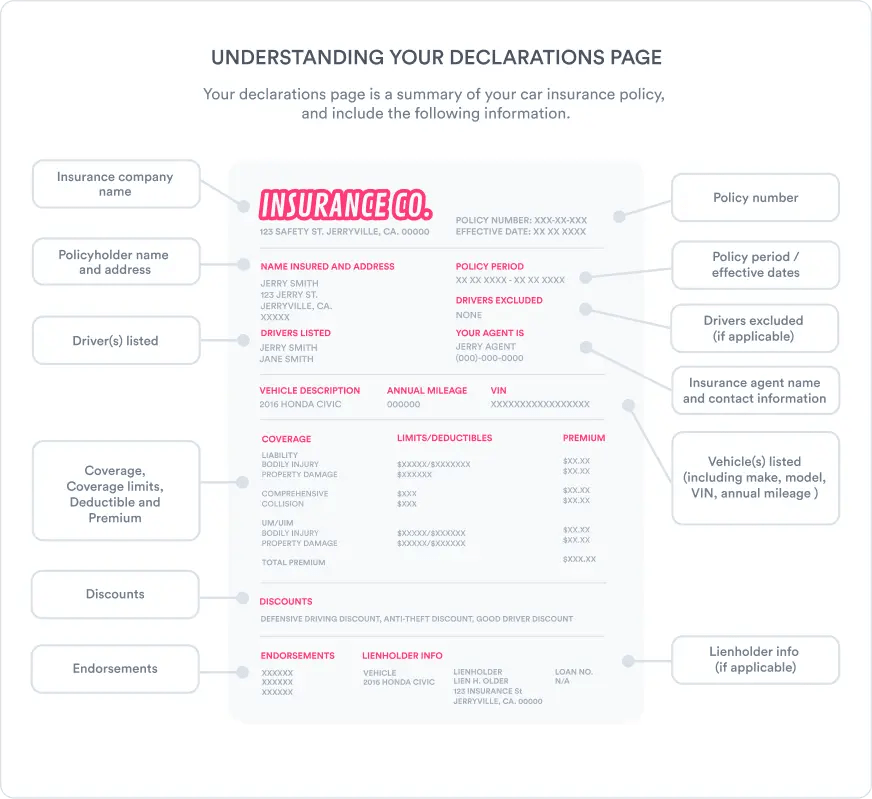
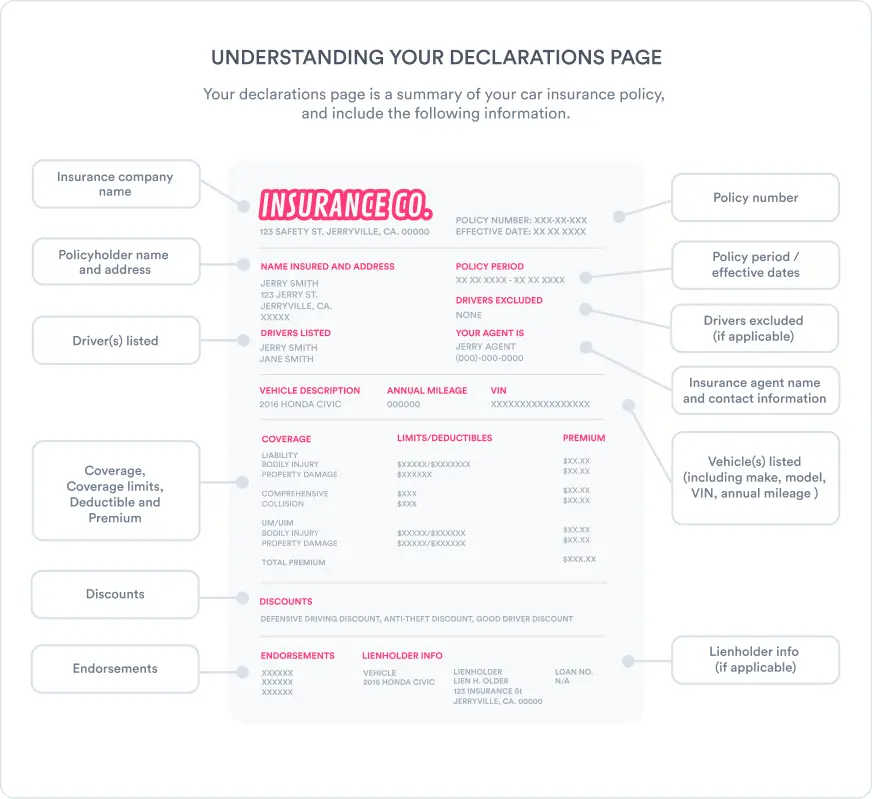
There are several types of declarations, each serving a specific purpose. In the context of insurance, a declaration page is a document that outlines the terms and conditions of a policy, including the coverage, premiums, and deductibles. In law, a declaration can be a sworn statement used as evidence in a court of law. In politics, a declaration can be a public statement made by a government or organization to express their stance on a particular issue.
Declarations can also be categorized as formal or informal. Formal declarations are typically written and follow a specific format, while informal declarations can be verbal or written and are often used in everyday conversations. Understanding the different types of declarations and their purposes is crucial to effectively using them in various situations.
The Importance of Declarations: Why They Matter in Different Contexts
Declarations play a significant role in various aspects of life, from business to personal relationships. In the business world, declarations are used to establish contracts, outline terms and conditions, and provide warranties. In personal relationships, declarations can be used to express feelings, intentions, and commitments. Declarations can also be used to resolve disputes, establish facts, and provide evidence.
- •Top Secrets Revealed: How To Get The Best Results With California Drivers License Sample
- •Uncovering The Truth: Is Integris Patient Portal Worth The Investment For Your Healthcare Needs?
- •Stop Making This Common Mistake When Looking For The Long Dark Interactive Map!
- •Unlock The Secrets Of Route Planning: Your Ultimate Guide To Saving Time And Money
- •Stop Making This Common Mistake When Looking For Example Tax File Number!
In addition to their practical uses, declarations can also have emotional and psychological significance. A declaration of love, for example, can be a powerful expression of feelings and commitment. A declaration of independence can be a bold statement of autonomy and self-reliance. Understanding the importance of declarations can help you appreciate their value and use them effectively in different situations.
Making Declarations: Tips and Best Practices for Effective Communication
Making a declaration can be a straightforward process, but it requires careful consideration and planning. When making a declaration, it's essential to be clear, concise, and accurate. You should also consider the context, audience, and purpose of the declaration to ensure it is effective and well-received.
To make a declaration, you can follow these steps: identify the purpose and context of the declaration, gather relevant information and evidence, choose the right format and tone, and deliver the declaration confidently and clearly. Remember to be respectful, professional, and sincere in your declaration, and be prepared to support it with evidence or action.

Conclusion: Mastering the Art of Declarations for Personal and Professional Success
In conclusion, declarations are a powerful tool for communication, expression, and commitment. By understanding the different types, purposes, and significance of declarations, you can use them effectively in various situations to achieve your goals and build strong relationships. Remember to be clear, concise, and accurate in your declarations, and always consider the context, audience, and purpose to ensure they are well-received.
Whether you're making a declaration of love, a declaration of independence, or a declaration of intent, it's essential to be sincere, respectful, and professional. By mastering the art of declarations, you can become a more effective communicator, build stronger relationships, and achieve greater success in your personal and professional life. So, don't wait until it's too late – start making declarations that matter today.
Additional context and verified research data can be verified on Wikipedia's Public Archives.