Quick Summary & Key Takeaways
- Insightful Resource: A detailed guide exploring Unlocking The Power Of Empathy: 10 Things You Didn't Know in depth.
- Step-by-Step Walkthrough: Detailed sections covering practical applications and common practices.
- High-Value Content: Curated layouts designed to provide maximum clarity and structured learning.
Introduction to a Revolutionary Approach
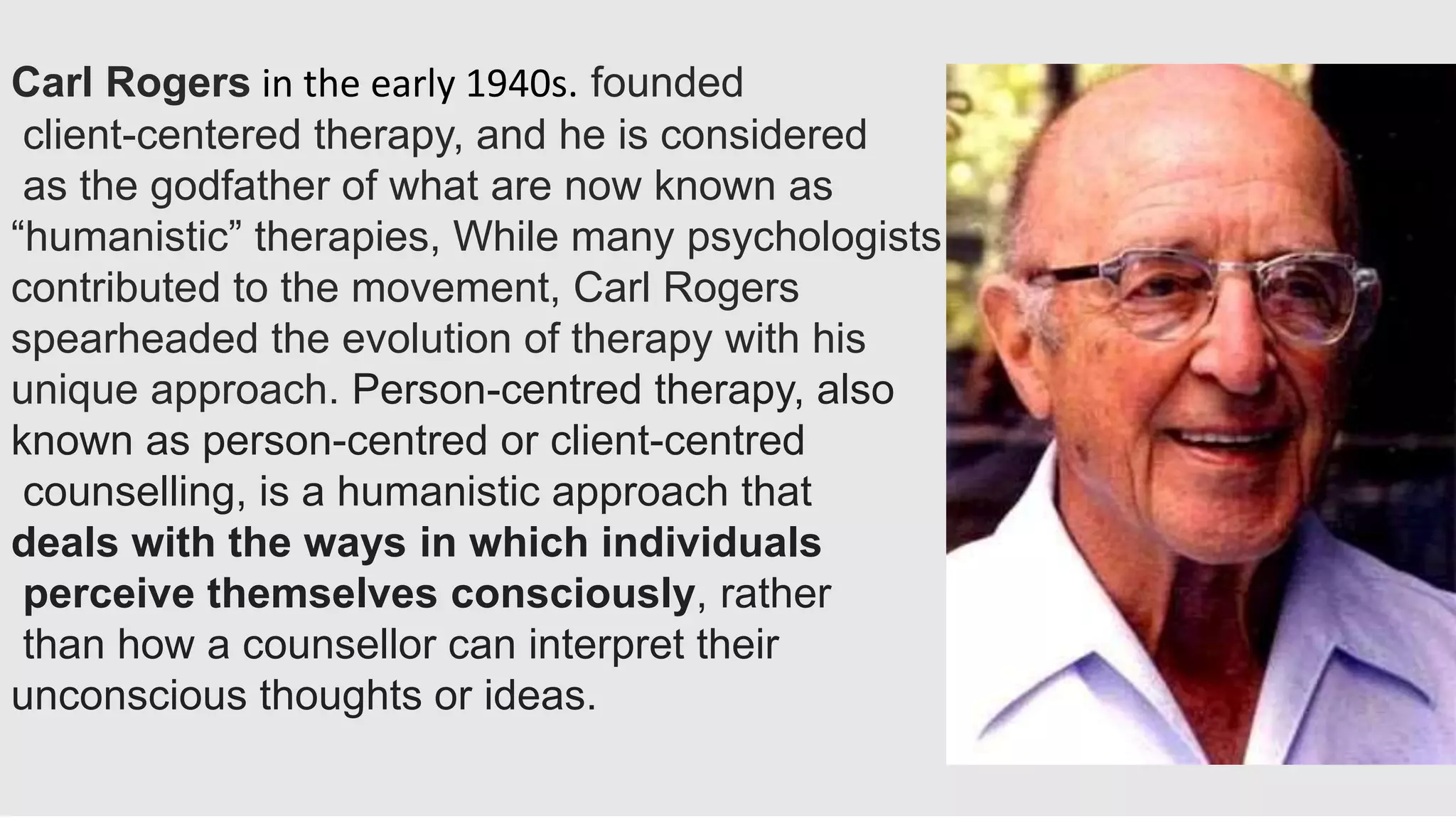
Carl Rogers Client Centred Therapy, also known as Person-Centred Therapy, has been a cornerstone in the field of psychotherapy since its inception in the 1940s. Developed by Carl Rogers, this approach focuses on the client's inherent tendency towards self-actualization, emphasizing empathy, genuineness, and unconditional positive regard. But how much do we really know about this groundbreaking therapy?
While many are familiar with the basics, there are several lesser-known aspects of Client Centred Therapy that can deepen our understanding and appreciation of this method. From its core principles to its applications and criticisms, there's more to explore beyond the surface level. In this article, we'll delve into ten fascinating facts about Carl Rogers Client Centred Therapy, and number seven will surely surprise you.
The Foundational Principles of Client Centred Therapy
At the heart of Client Centred Therapy are three essential principles: empathy, congruence, and unconditional positive regard. Empathy allows the therapist to understand and share the client's feelings, congruence ensures the therapist is genuine and transparent, and unconditional positive regard fosters a non-judgmental and supportive environment. These principles work together to create a safe space where clients can explore their thoughts, feelings, and experiences without fear of criticism or rejection.
But what makes these principles so effective? The answer lies in the way they interact with the client's innate drive towards self-actualization. By providing a supportive and non-directive environment, therapists can help clients tap into their natural tendency towards growth and self-improvement, leading to more profound and lasting positive change.
Exploring the Top 10 Unknown Facts About Client Centred Therapy
Now that we've covered the basics, let's dive into the top 10 things you might not know about Carl Rogers Client Centred Therapy. Here are a few key points to get us started:
- •Stop Making This Common Mistake When Looking For Tens Unit Placement For Lower Back!
- •Unlock The Secrets: Everything You Need To Know About Difference Between Extension And Flexion Before It's Too Late
- •Uncover The Secret To Finding Your Dream Home In Pueblo, Colorado: The Ultimate Guide
- •Unlock The Secret To Passing The EPA 608 Certification: Is The Free Practice Test Worth It?
- •Uncovering The Power Of Core Values: Is The Values Of Life List Worth It?
- The approach has been influenced by various philosophical and psychological traditions, including existentialism, phenomenology, and humanistic psychology.
- Carl Rogers was a pioneer in the field of psychotherapy research, and his work laid the foundation for many subsequent studies on the effectiveness of different therapeutic approaches.
And now, for the surprising fact that will change everything: number seven on our list reveals that Client Centred Therapy has been used to facilitate social change and conflict resolution in communities around the world. By promoting empathy, understanding, and non-violent communication, this approach has helped to bridge cultural and socioeconomic divides, fostering more harmonious and equitable relationships between individuals and groups.
Criticisms and Limitations of Client Centred Therapy
While Client Centred Therapy has been widely acclaimed for its effectiveness and versatility, it's not without its criticisms and limitations. Some have argued that the approach is too non-directive, leaving clients without sufficient guidance or support. Others have pointed out that the therapist's role can be overly passive, potentially leading to a lack of accountability or clear boundaries.
Despite these concerns, the majority of research suggests that Client Centred Therapy can be a powerful and transformative approach, particularly when used in conjunction with other therapeutic methods. By acknowledging its limitations and potential drawbacks, therapists can work to adapt and refine the approach, ensuring that it remains a valuable and effective tool in the pursuit of mental health and wellbeing.

Conclusion: The Enduring Legacy of Carl Rogers Client Centred Therapy
As we've seen, Carl Rogers Client Centred Therapy is a rich and complex approach that continues to evolve and inspire new generations of therapists, researchers, and clients alike. By embracing its core principles and exploring its many applications, we can deepen our understanding of the human experience and promote more empathy, compassion, and understanding in our personal and professional lives.
Whether you're a seasoned therapist or simply someone looking to learn more about this fascinating approach, we hope that this article has provided a compelling glimpse into the world of Client Centred Therapy. As we move forward in our journey of self-discovery and growth, let us remember the profound wisdom of Carl Rogers: that every individual has the inherent capacity for self-actualization, and that empathy, genuineness, and unconditional positive regard can be the key to unlocking our full potential.
To explore further academic studies and guidelines, refer to search results on Official Academic & Government Portals.


